Multi-session Console
Launching multi-session across AWS, then improving service support, account identification, link sharing, and usability to reduce opt-outs.
I led the launch, coordinating 250+ AWS teams. After launch, I combined user feedback with behaviour data, secured approval for an adoption roadmap, and drove delivery over six months, including follow-up work with 25+ teams on service support.
Launching a multi-account workflow
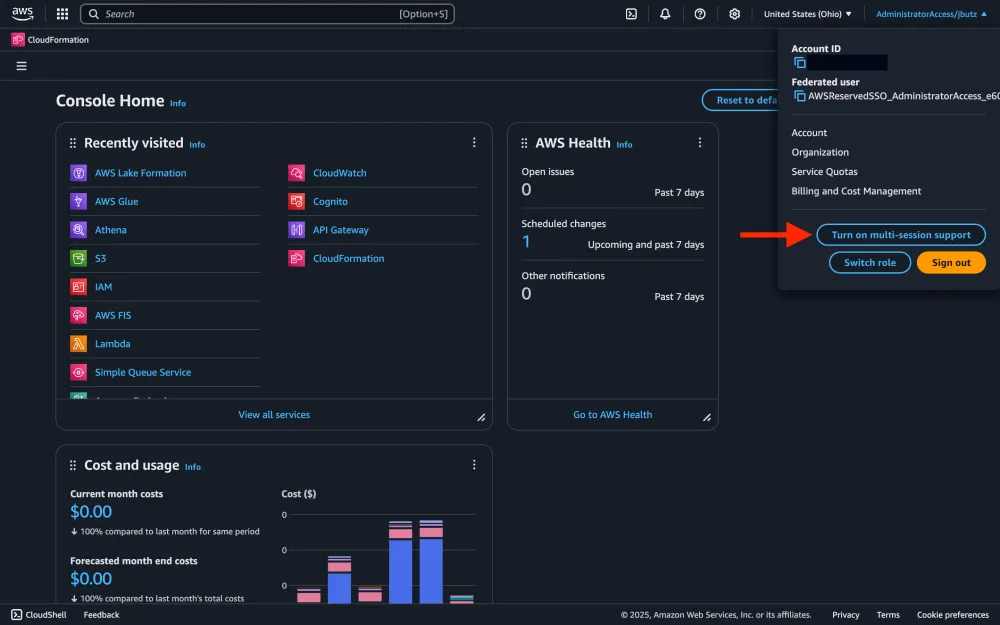
AWS customers use separate accounts for development, testing, production, and other workloads. Working across those environments in one browser was a common need. Multi-session brought that workflow into the AWS Management Console, supporting up to five simultaneous identities.
I led the launch and coordinated with 250+ teams across AWS. The capability launched on January 16, 2025. Four days later, Corey Quinn called it “2025’s release of the year” in his newsletter.
Opt-outs shaped the next roadmap
After launch, I examined user behaviour, quantitative data, and verbatim feedback to understand why people were opting out. The next phase of work focused on making multi-session fit the workflows customers were already using.
I translated those findings into a prioritised adoption roadmap, secured leadership approval, and drove delivery over six months. The improvements spanned service support, account identification, link sharing, and the interface itself.
Close the gaps between service consoles
Multi-session did not work consistently across every service console. I worked with 25+ teams to prioritise multi-session support and address those gaps. This follow-up work was distinct from the broader coordination required for the initial launch.
Sharing Console links was another source of friction. I worked with a partner team to prioritise improvements to that experience, so the roadmap covered both using multiple accounts and the everyday act of sharing links.
Make the active account easier to recognise
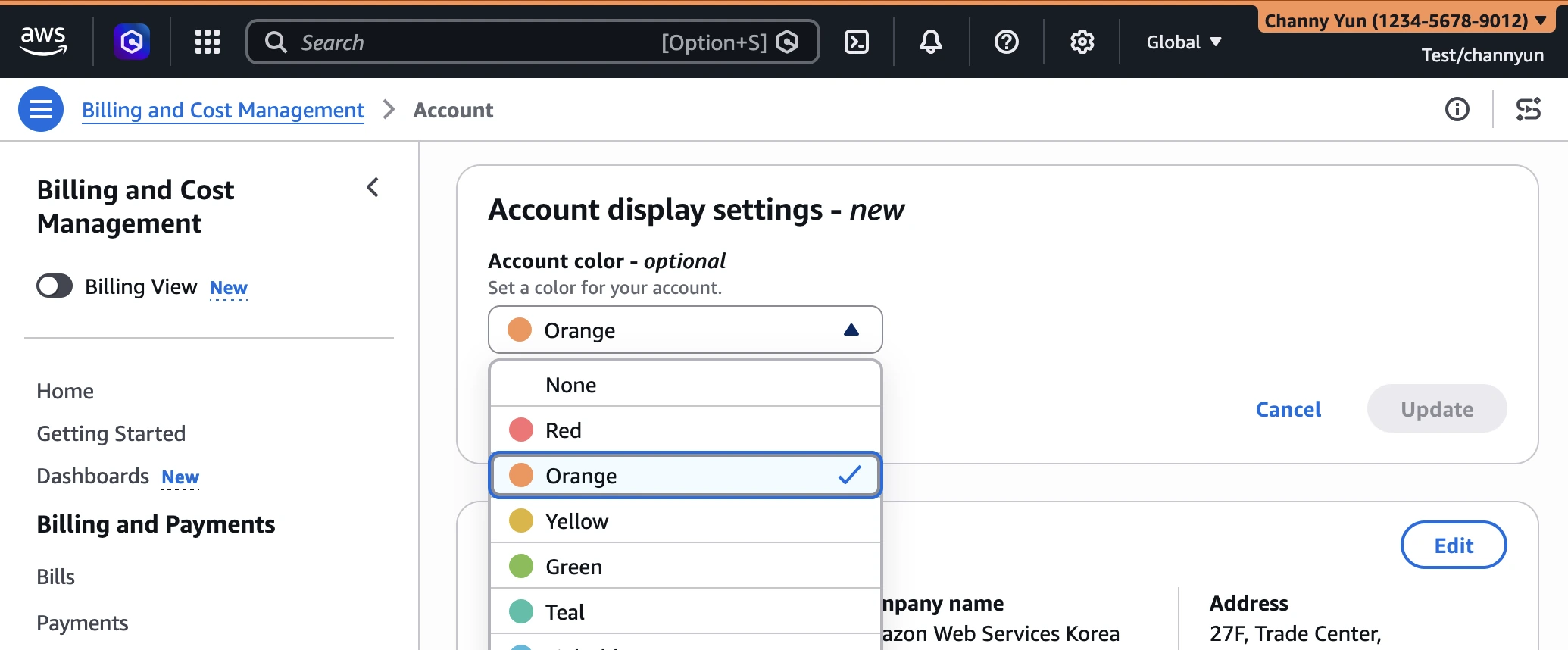
With several accounts open in the same browser, customers needed a clearer way to identify which account they were working in. That feedback connected directly to the account-colour capability we launched through AWS User Experience Customization.
Account colours gave teams a visual way to distinguish environments such as production, testing, and development. This connected the multi-session adoption work to a separate product capability, while addressing a practical need in the same customer workflow.
Keep improving the experience after launch
We also used user feedback to make the UI more intuitive. The work combined changes within the multi-session experience with prioritisation across partner and service teams.
The opt-out rate fell from 20% to below 4%. The post-launch work also led to an approximately 200% increase in adoption. Those outcomes capture the work beyond the original launch: understanding the friction, shipping improvements, and helping customers continue using the experience.